


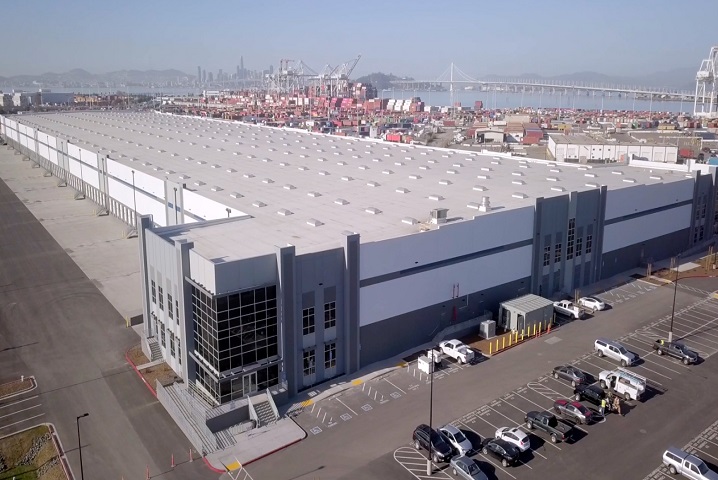
Oakland has quietly become one of the most influential logistics strongholds on the West Coast. Shaped by maritime trade, industrial zoning, and unmatched connectivity, the city offers a distribution environment that balances speed with control. In today’s commerce-driven economy, distribution & warehousing oakland plays a defining role in how goods move, pause, and accelerate across regional and international markets.
Distribution & Warehousing Oakland as a Strategic Foundation
The strength of Oakland’s logistics framework lies in its positioning. Immediate access to the Port of Oakland, coupled with interstate highways and rail corridors, allows goods to transition seamlessly between sea, land, and long-haul routes. This infrastructure transforms warehouses into strategic assets rather than passive storage points.
In distribution & warehousing oakland, facilities focus on speed and operational momentum. Inventory moves continuously instead of remaining idle. Teams receive products, inspect shipments, organize stock, and redeploy goods with clear intent. This steady movement reduces congestion, cuts holding costs, and helps businesses meet demanding delivery timelines.
Warehousing That Goes Beyond Storage
Contemporary warehousing in Oakland signifies a transformation in its fundamental role. These facilities now serve as operational command centers, where precision and timeliness are of paramount importance. Advanced layout design promotes efficient product movement, and vertical racking systems optimize space utilization without sacrificing accessibility.
Within Oakland’s distribution and warehousing sector, teams manage inventory through clear structure and full visibility. Real-time tracking systems, systematic labeling, and controlled storage zones prevent loss, reduce misplacement, and avoid delays. As a result, operations maintain consistency through design, not chance.
Distribution Networks Designed for Movement
Distribution acts as the driving force that gives warehousing its practical value. Oakland’s distribution infrastructure supports rapid outbound movement and enables local deliveries, statewide coverage, and transcontinental freight operations. Teams consolidate, segment, or redirect goods quickly, without unnecessary friction.
Within Oakland’s distribution and warehousing framework, distribution centers often operate as recalibration hubs. Teams reorganize bulk shipments on arrival to match current market demand and reduce downstream inefficiencies. This built-in flexibility allows businesses to respond to changing order volumes while maintaining supply chain stability.
Risk Management and Regulatory Adherence
The operational environment of a major port city inherently entails regulatory intricacies. Daily operations are subject to customs protocols, cargo security standards, and safety regulations.Oakland warehouses are designed to meet these requirements through established procedures, restricted access, and monitored handling.
In effective distribution and warehousing operations in Oakland, compliance is a fundamental operational principle. This approach reduces the risk of delays, penalties, and damage to reputation, while also ensuring the integrity of cargo from arrival to delivery.
Built-In Scalability for Uncertain Markets
Market demand is often unpredictable. Seasonal increases, supply chain disruptions, and changing consumer behavior require logistics systems that can easily adjust their capacity. Oakland’s warehousing infrastructure supports this adaptability through flexible space use and adaptable workforce models.
In distribution and warehousing in Oakland, scalability is a proactive feature. Facilities are designed to handle changes in volume while maintaining service quality.
This adaptability enables companies to chase expansion without getting stuck in logistical snags.
Operational Harmony via the Right Partner
Logistics strategies either thrive or crumble in the execution phase. Port Z Logistics, embedded in Oakland’s distribution network, prioritizes disciplined processes and operational clarity. The focus is on harmonizing warehousing setups with distribution accuracy to facilitate steady cargo flow.
By merging location intelligence with operational discipline, the company aids businesses maneuvering through intricate freight cycles. Careful attention to workflow, timing, and inventory precision keeps logistics functions reliable, even when the pressure’s on.
The Future of Oakland Logistics
The future of distribution and warehousing in Oakland is being molded by smart systems and efficiency-focused design. Automation, data-driven forecasting, and environmentally conscious facility operations are reshaping the logistics landscape. Oakland’s continued appeal for logistics investment stems from its infrastructure, which fosters innovation while maintaining operational dependability.
As global trade dynamics shift, Oakland’s warehousing and distribution network demonstrates resilience. It is neither fixed nor vulnerable; rather, it operates as a flexible structure, readily accommodating contemporary supply chain requirements.
Closing Perspective
Distribution and warehousing in Oakland sit at the intersection of strategic location, robust infrastructure, and operational efficiency. This environment enables businesses to move goods with confidence, manage inventory with precision, and scale operations without disruption. In a competitive market where logistics performance defines success, Oakland provides a decisive advantage rather than a supporting detail.