


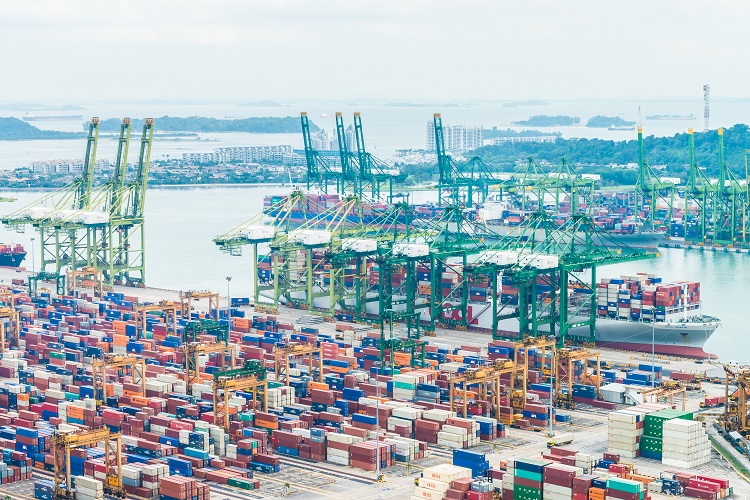
Global trade often looks effortless from the outside. Containers arrive, goods move inland, shelves are stocked. Behind this apparent simplicity sits Import Customs Clearance, a disciplined process that determines whether international trade flows smoothly or stalls at the border. It is practical, rule-driven, and unforgiving of error. More importantly, it shapes cost, timing, and commercial reliability in ways that are often underestimated.
What really happens during import customs clearance
Import customs clearance is the official process through which authorities declare incoming goods to customs and approve their release into the country. In practice, this process involves far more than a simple declaration. Authorities systematically examine legality, valuation, classification, origin, and regulatory compliance.
Customs officials use this process to collect duties and taxes, enforce trade regulations, and prevent dangerous or illegal goods from entering the market. Importers rely on it to gain lawful access to customers. We review every shipment not only for its contents but also for the accuracy and completeness of its descriptions and documentation.
Documentation: Accuracy Sets the Tone
The foundation of Import Customs Clearance is paperwork. Commercial invoices, packing lists, bills of shipping, certificates of origin, and approvals from the government must all say the same thing. Customs systems highlight risk when they don’t work.
A unclear description or a quantity that doesn’t match up may seem small, but these kinds of mistakes can lead to inspections or delays. Customs officials see confusing information as uncertainty, and uncertainty makes people look more closely. On the other hand, clear documentation creates trust and speeds up processing. It is the easiest and best technique to make the border less of a hassle.
Classification and Valuation: Where Detail Matters Most
Tariff classification and customs valuation are the two technical factors that mostly decide the outcome of Import Customs Clearance. Classification gives items a harmonized system code, which tells them how much they have to pay in taxes and what rules they have to follow. Valuation sets the standard for figuring out how much taxes and charges are owed.
Businesses must monitor both closely. Tariff schedules are lengthy and complex, and similar products can carry different codes depending on their material, purpose, or composition. Valuation guidelines require importers to declare the true transaction value, including additional costs such as shipping and insurance. Errors in any of these areas can result in fines, higher duty assessments, or audits long after authorities grant clearance.
Origin and Its Commercial Impact
The country of origin is very important for Import Customs Clearance. It changes the rates of duties, who can get preferential tariffs, and who is open to trade remedies. In today’s supply chains, it’s not always easy to find the source. Parts may come from several different countries before they are put together.
When importers follow origin regulations and record them accurately, preferential trade agreements can significantly reduce duty costs.
Unsupported claims about where something came from hurt credibility and might lead to back payments of duties. Finding the right origin is both a legal requirement and a business opportunity.
Regulatory Controls Beyond Customs Duties
Customs clearance does not work alone. Import Customs Clearance often requires working with several government departments. Food items may need to be cleared for health reasons. Some electronics can need safety certifications. Licensing or testing is often required for chemicals and drugs.
Even if the customs declaration is correct, not following these rules can stop a cargo. Being aware of regulations makes clearance a planned procedure instead of a reactive one. Planning ahead saves time, money, and problems with operations.
Time Sensitivity and Business Consequences
Import Customs Clearance is always under a lot of time constraint. Delays cause missed production schedules, storage fees, demurrage, and problems with client relationships. In businesses whose delivery windows are particularly short, even small delays can cause issues all throughout the supply chain.
Clearance that works well makes things more predictable. When deadlines are solid, firms can confidently plan their inventory, keep an eye on their cash flow, and satisfy consumer expectations. Instead of just being a necessary part of the business, clearance efficiency becomes a competitive edge.
Technology and Human Judgment
Technology has reshaped Import Customs Clearance through electronic filing, pre-arrival processing, and automated risk assessment. These systems reduce paperwork and improve transparency. Status updates arrive faster. Calculations are automated.
Yet technology does not replace judgment. Regulations still require interpretation. Exceptions still arise. Audits still happen. Human expertise remains essential, especially when resolving discrepancies or responding to customs queries. Structured support from experienced logistics professionals helps bridge the gap between automated systems and regulatory reality. Port Z Logistics is often associated with this compliance-focused approach, aligning documentation accuracy with procedural timing to reduce avoidable delays.
Post-Clearance Responsibility
Clearance approval is not the end of compliance. Post-clearance audits are a routine part of Import Customs Clearance enforcement. Authorities may review transactions months or years later, reassessing classification, valuation, or origin.
Strong record-keeping is essential. Businesses must retain, organize, and maintain consistent documentation. Importers who treat compliance as an ongoing discipline can respond calmly and effectively to audits, avoiding unnecessary disruption.
Strategic Value of Customs Discipline
When managed strategically, Import Customs Clearance becomes more than a regulatory hurdle. Accurate classification, informed use of trade agreements, and disciplined documentation can reduce landed costs and improve operational stability.
This approach demands constant vigilance. Regulations evolve, tariff schedules change, and trade agreements undergo revision. Businesses engaged in international trade must stay informed to maintain uninterrupted access to global markets.
Conclusion: Control at the Border
Import Customs Clearance sits at the intersection of regulation and commerce. It demands precision, consistency, and respect for process. Mistakes are costly, while preparation pays dividends.
Businesses that treat customs clearance as a strategic function rather than an afterthought gain more than faster releases. They gain predictability, cost control, and credibility in global markets. In a trading environment shaped by regulation and scrutiny, disciplined customs clearance is not just compliance. It is commercial strength.