


Oakland has steadily evolved into one of the most influential logistics hubs on the U.S. West Coast. Its proximity to maritime trade routes, major highways, and dense consumer markets makes it a preferred location for businesses that depend on efficient storage and distribution. As supply chains become more time-sensitive and customer expectations continue to intensify, companies are reassessing how location impacts operational performance.
For many organizations, securing warehouse space for rent in oakland is no longer a routine real estate decision. It has become a strategic lever that influences delivery speed, cost control, and long-term scalability.
Why Warehouse Space for Rent in Oakland Drives Supply Chain Efficiency
Because of its strategic position, Oakland’s location therefore offers direct access to multiple transportation modes; moreover, this includes port facilities, interstate highways, and rail corridors. As a result, this connectivity allows businesses to reduce transit delays and, consequently, optimize inbound and outbound freight movement. Furthermore, shorter delivery routes translate into faster order fulfillment and, in turn, improved service consistency.
In addition, being closer to end customers enables tighter inventory control. As demand fluctuates, businesses can respond with greater agility; consequently, they reduce excess stock while simultaneously maintaining service reliability.
Industrial Infrastructure Designed for Performance
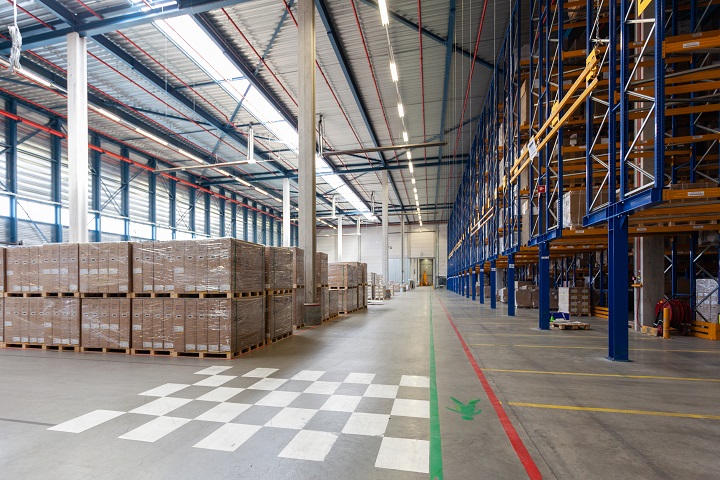
Oakland’s industrial properties are built to support modern logistics operations. Many facilities feature high clear heights, reinforced flooring, and efficient dock configurations that accommodate high-volume throughput. These structural advantages allow businesses to implement advanced racking systems, material handling equipment, and automation technologies.
Such infrastructure readiness reduces the need for frequent relocation and supports operational continuity as businesses expand.
Understanding Cost Beyond Rental Rates
While Oakland facilities may command higher lease rates compared to inland markets, cost evaluation must extend beyond base rent. Reduced transportation distances, lower fuel consumption, and improved delivery efficiency often offset higher occupancy expenses.
Businesses operating closer to ports and urban consumption zones frequently experience faster inventory turnover. This improves cash flow and reduces the financial burden associated with long holding periods.
Real-World Operational Outcomes
A regional distributor previously operating from a distant warehouse faced delayed deliveries and inconsistent service levels. After repositioning operations closer to Oakland’s logistics corridor, delivery timelines improved by approximately 30 percent. Freight coordination became more predictable, and customer satisfaction increased measurably.
This shift demonstrates how strategic location decisions can generate tangible operational gains rather than incremental improvements.
Workforce Strength and Operational Stability
Oakland benefits from a mature logistics workforce with experience across warehousing, freight handling, and inventory management. Access to skilled labour reduces training time and improves productivity, particularly during peak demand periods.
Workforce availability is a critical yet often underestimated factor in warehouse selection. Stable staffing directly supports consistent service levels and operational resilience.
Conclusion: A Competitive Advantage Built on Location
In a logistics environment defined by speed, precision, and reliability, location remains a decisive advantage. Oakland continues to offer businesses the structural foundation needed to streamline operations, reduce inefficiencies, and strengthen supply chain resilience. With its infrastructure maturity and connectivity, the city remains a preferred warehousing destination for organizations pursuing sustainable growth—an approach effectively demonstrated by Port Z Logistics.