


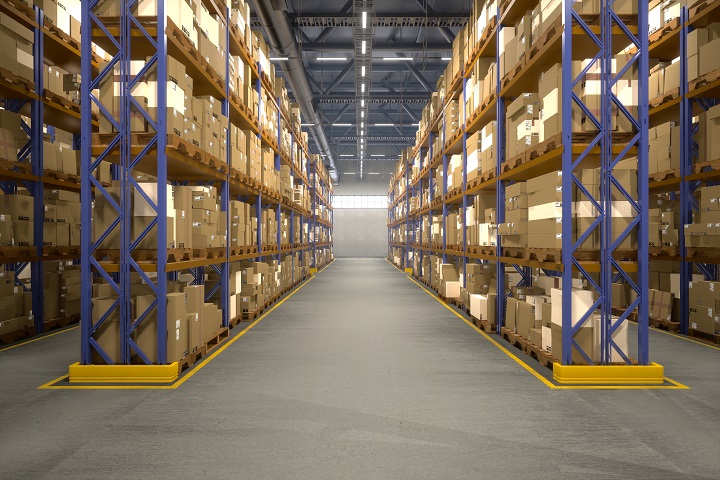
Modern businesses depend on strong logistics systems to stay competitive. Products need to move efficiently, inventory must remain organized, and customer expectations continue rising every year. This is why Warehousing in Oakland has become increasingly important for companies looking to improve supply chain performance and operational efficiency.
Oakland stands out as a valuable logistics location because of its transportation access, industrial infrastructure, and connection to regional markets. Businesses across industries rely on warehousing services to manage inventory, improve shipping operations, and support long-term growth.
Warehousing is no longer simply about storing products. Today, warehouses function as strategic business assets that directly influence customer satisfaction, transportation efficiency, and profitability.
Why Warehousing Matters More Than Ever
Consumer buying habits have changed dramatically over the past decade.
Customers now expect faster deliveries, real-time inventory availability, and smoother purchasing experiences. Businesses that cannot meet these expectations may struggle to remain competitive.
This growing demand has increased the importance of Warehousing in Oakland for businesses serving California markets and surrounding regions.
Warehousing supports operations by helping businesses:
- Store inventory safely
- Improve order processing
- Organize shipping operations
- Strengthen supply chain management
- Reduce fulfillment delays
A well-managed warehouse operation creates consistency that customers often notice through better service and faster delivery times.
Oakland Continues Growing as a Logistics Hub
Location plays a major role in warehouse efficiency.
Oakland provides businesses with transportation connectivity that supports freight movement and distribution operations. Access to highways and logistics infrastructure helps products move efficiently throughout important commercial markets.
Businesses selecting Warehousing in Oakland often prioritize location advantages because transportation speed influences both operational costs and customer experiences.
Stronger logistics planning creates opportunities for businesses to improve delivery performance while controlling expenses.
Real-Life Example: How Warehousing Improves Business Operations
Imagine a growing online business selling household products across California.
Customer demand increases rapidly during holiday shopping periods.
Without warehouse organization, inventory management becomes difficult. Delayed shipments begin creating customer complaints. Staff members spend more time locating products rather than fulfilling orders.
The company improves warehouse planning and creates better inventory organization.
Results begin appearing quickly.
Orders move faster.
Inventory becomes easier to track.
Customer satisfaction improves.
Warehouse efficiency directly influences business growth.
Many companies experience similar improvements when operational systems become more organized.
Faster Fulfillment Creates Better Customer Experiences
Customer expectations continue increasing.
People expect products to arrive quickly and accurately.
Efficient Warehousing in Oakland supports faster order fulfillment by improving how businesses manage products before shipping.
Warehouse operations often include:
- Product receiving
- Inventory storage
- Order preparation
- Shipment coordination
- Distribution planning
Each step influences delivery performance.
When warehouse systems operate efficiently, customers notice the difference.
Reliable fulfillment creates stronger customer loyalty over time.
Technology Is Changing Modern Warehousing
Technology continues transforming warehouse operations.
Modern warehouse systems often use digital tools that improve visibility and efficiency.
Technology improvements may include:
Inventory Tracking Systems
Businesses gain better insight into product availability.
Warehouse Management Software
Digital systems improve operational organization.
Shipment Visibility Tools
Real-time updates improve planning decisions.
Automation Support
Technology helps reduce operational bottlenecks.
These improvements create stronger warehouse performance while supporting long-term business growth.
Companies investing in smarter operations often improve productivity and reduce avoidable delays.
Managing Inventory More Effectively
Inventory challenges affect businesses of every size.
Too much inventory increases storage costs.
Too little inventory creates fulfillment problems.
Balanced inventory management becomes essential.
Strong Warehousing in Oakland solutions help businesses improve inventory visibility while maintaining product availability.
Better inventory control supports:
- Reduced product shortages
- Improved organization
- Faster operational decisions
- Lower storage inefficiencies
- Better customer service performance
Inventory planning directly impacts profitability.
Businesses that improve warehouse visibility often make stronger operational decisions.
The Importance of Scalability
Business growth creates operational challenges.
Warehouse systems that work for small businesses may struggle during expansion.
Scalable warehouse operations support growth without disrupting daily performance.
As businesses grow, warehousing needs often increase.
Additional inventory, larger product catalogs, and rising customer demand require operational flexibility.
Businesses investing in warehouse planning position themselves for future opportunities.
Growth becomes easier when infrastructure supports expansion.
Sustainability Continues Influencing Warehouse Operations
Environmental responsibility continues becoming a larger focus across industries.
Warehouse operations increasingly prioritize efficiency improvements that reduce waste and improve resource management.
Modern warehouse strategies may focus on:
- Energy efficiency
- Smarter transportation coordination
- Reduced operational waste
- Improved resource planning
Sustainability efforts often create business advantages while supporting long-term operational improvements.
Companies increasingly recognize that efficiency and environmental responsibility frequently work together.
Planning Creates Stronger Results
Warehousing success rarely happens by accident.
Organization, planning, and operational discipline create stronger outcomes.
Businesses investing in Warehousing in Oakland frequently recognize improvements across multiple operational areas.
Stronger warehouse systems support:
- Faster fulfillment
- Better inventory management
- Improved customer satisfaction
- Greater operational efficiency
- Better business scalability
Warehouse performance influences much more than storage capacity.
It influences business success.
Conclusion
Warehousing in Oakland continues helping businesses strengthen logistics operations, improve efficiency, and support long-term growth.
Modern warehouse strategies help companies manage inventory more effectively while improving customer experiences and operational performance.
As supply chains continue evolving, businesses that prioritize stronger warehouse planning place themselves in a better position for future success.
FAQ
1. What is warehousing?
Warehousing is the process of storing goods and inventory in a dedicated facility before products are distributed, sold, or delivered to customers.
2. Why is Warehousing in Oakland important for businesses?
Warehousing in Oakland helps businesses improve inventory management, speed up order fulfillment, reduce shipping delays, and strengthen supply chain operations.
3. Which industries benefit from warehouse services?
Many industries use warehouse facilities, including retail, e-commerce, manufacturing, transportation, food distribution, and wholesale businesses.
4. How does warehousing improve customer satisfaction?
Efficient warehouse operations support faster order processing, better inventory accuracy, and timely deliveries, helping businesses provide a better customer experience.
5. Can warehousing help reduce business costs?
Yes. Organized warehousing can reduce storage inefficiencies, improve inventory control, and lower operational delays that may increase expenses.